Ultimate Tools for Self-Employment Planning and Retail
Navigating the journey from a concept to a thriving retail business requires clarity and structure. A well-crafted self-employment plan is your roadmap, but presenting that plan—whether to partners, investors, or your own team—demands clear communication. This is where specialized infographic charts become invaluable tools. A collection of Self-Employment Plan Infographic Charts designed specifically for retail contexts can transform complex data and sequential steps into compelling visual narratives.
Beyond Basic Charts: The Power of Visual Planning
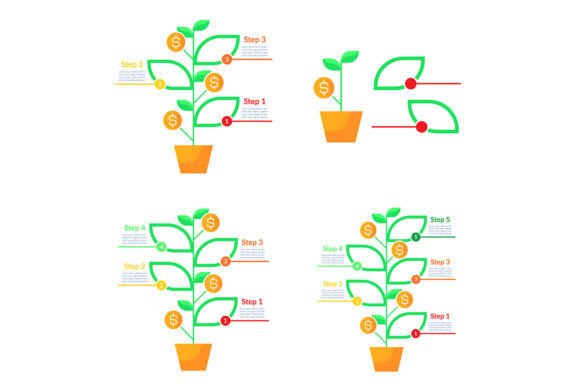
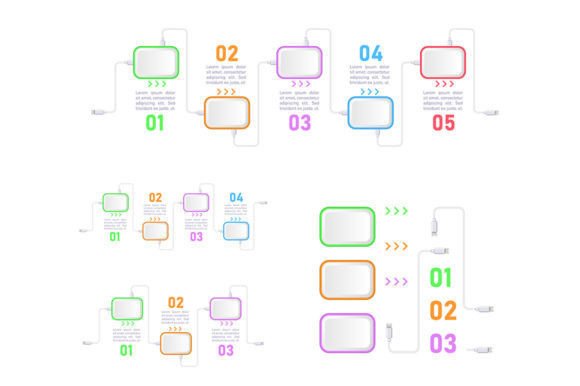
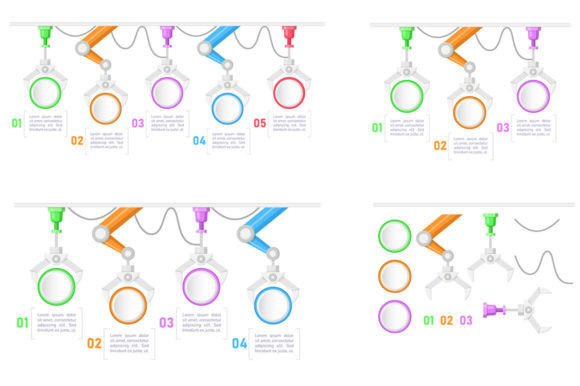
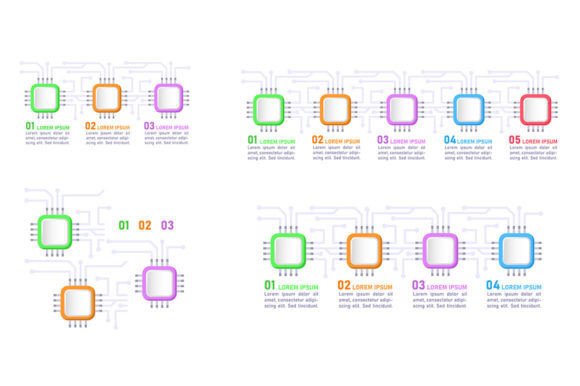
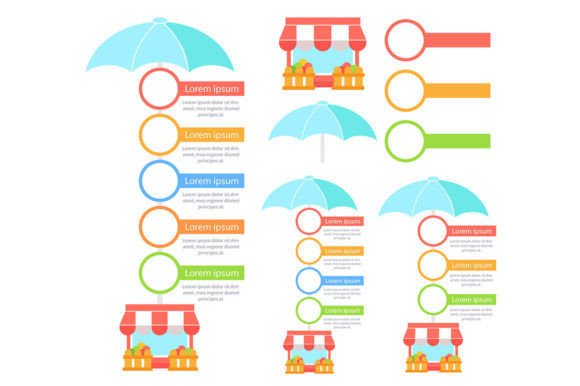
Traditional business plans are dense with text. While comprehensive, they can be difficult to digest quickly. Infographic charts for self-employment planning serve a different purpose: they distill. By using abstract vector info charts with strategically placed blank copy spaces, you are provided with a framework. These are not finished posters; they are customizable canvases. You insert your specific retail data—your target demographics, your inventory breakdown, your projected financial milestones—into a professionally designed visual structure. This act of placement alone often clarifies your thinking, revealing gaps in your logic or opportunities you hadn't visualized.
Sequencing Your Retail Launch with Instructional Graphics
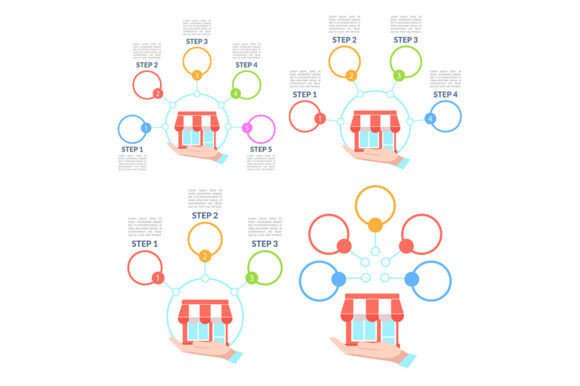
For a retail business, the order of operations is critical. From securing a location to designing a store layout, launching an online shop, and planning your initial marketing campaign, each step depends on the previous. Instructional graphics with a step sequence provide a powerful way to map this out. Instead of a bulleted list in a document, you can create a visual timeline or flow diagram that illustrates dependencies. Seeing these steps graphically helps you, and anyone you collaborate with, understand the project's pace and identify critical paths. It turns a plan into a process diagram, making the journey from self-employment concept to open doors far more tangible.
Consider the practical benefit during a team meeting. Instead of describing phases, you can share or display a completed step-sequence infographic. This aligns everyone's understanding instantly, reduces miscommunication about timelines, and creates a shared reference point that team members can return to. For the solo entrepreneur, it serves as a personal checklist with visual impact, making progress feel more concrete and manageable.
The Practical Benefits of a Universal Infographic Collection
The value of a collection lies in its versatility. A set of universal infographics covering different aspects of self-employment—financial projections, market analysis, organizational structure, and milestone tracking—means you have a cohesive visual toolkit. For your retail business, you might use one chart to visually present your startup cost breakdown (using an abstract pie or bar chart template) and another to illustrate your customer journey from awareness to purchase. Because they belong to the same collection, they share a design sensibility, creating a professional and consistent look across all your planning documents and presentations.
Enhancing Communication and Efficiency
When you need to communicate your retail vision, a slide deck filled with text-heavy slides is less effective than one utilizing strong visual data presentation. These infographic charts allow you to build presentations quickly. Since the core design is already established, you focus on inputting your content. This saves significant time compared to designing charts from scratch, especially if graphic design is not your core skill. The efficiency gain is not just in creation, but in comprehension. A lender reviewing your loan application, or a potential partner evaluating your proposal, will grasp your key points faster through well-designed visuals, potentially leading to more productive discussions and decisions.
Furthermore, the multiple product file formats—EPS, SVG, PNG, JPEG, AI—ensure practical flexibility. The vector formats (EPS, SVG, AI) are essential for professionals who want to customize every element without loss of quality. They allow you to change colors, adjust shapes, or integrate the charts into other vector materials like brochures seamlessly. The raster formats (PNG, JPEG) provide easy-to-use, ready-to-place images for digital reports, websites, or simple document insertion. This multi-format approach means the assets are useful for a wide audience, from a marketer using basic presentation software to a professional designer working in Adobe Illustrator.
Who Benefits Most from These Planning Tools?
While any aspiring self-employed individual can find value, certain groups will see particularly high returns. Retail entrepreneurs, from those opening a boutique to those launching an e-commerce brand, are prime beneficiaries because their plans mix numerical data, physical logistics, and customer engagement steps—all elements that benefit from visualization. Freelancers creating educational content or consultants who need to present business development frameworks to clients can use these charts as foundational templates for their own work. Small business owners looking to refine or pitch expansion plans will find the professional structure lifts their materials beyond basic spreadsheets.
It's worth considering fit. These infographic charts are templates and tools. They require you to have your data and content prepared. They solve the problem of visual design and structure, but not the problem of business strategy itself. Their greatest power is unlocked when used by someone who has a plan to articulate. If you are in the very earliest, ideation phase, you might use the blank copy spaces to brainstorm, but the primary value is in the presentation and clarification of formulated ideas.
A Dynamic Resource: Templates and Ongoing Creation
The mention of vector brochures infographic templates and customizable elements points to a broader utility. This isn't just a static set of charts for a business plan. It's a library of components that can be adapted for various communication needs. Once you've used a chart in your self-employment plan, you might repurpose its design for an investor brochure, an internal training document, or even a simplified chart for your store's social media to explain a new process. The design consistency builds your brand's visual identity from the planning stage outward.
The promise of new graphics every week addresses a common challenge: template stagnation. Having access to fresh designs and new chart concepts keeps your visual materials current and allows you to tackle different presentation challenges over time. For the subscriber, it becomes a growing asset, not a one-time purchase. This model supports long-term creativity, ensuring that as your retail business evolves and faces new planning cycles—like seasonal inventory planning, annual reviews, or new market entry—you have a fresh visual toolkit to match.
Integrating Visuals into Your Retail Business Foundation
Adopting these tools is more than a design choice; it's a methodological one. It encourages you to think visually about your business structure. This can simplify complex decisions. For instance, comparing two retail location options might involve rent, foot traffic, and competitor proximity. Placing these data points into a comparative infographic chart can make the trade-offs visually apparent, aiding decision-making. It supports your goals by making them explicit and shareable, turning private ambitions into public, communicable plans that can attract support and resources.
In practice, start with the core charts that represent your plan's pillars: your financial roadmap, your operational steps, and your market analysis. Customize them fully with your data. Then, use the derived formats to share these visuals in the appropriate contexts—vector files for professional printing in a pitch deck, PNGs for embedding in a digital business plan PDF. This workflow leverages the full technical offering. Remember, the ultimate benefit is not just a prettier plan, but a clearer, more communicable, and more actionable one. For the self-employed individual in the competitive retail space, clarity and effective communication are not just advantages; they are necessities.